Home
The Gifted Collective Relaunches “Fair Play” to Equip Student-Athletes for the NIL and Media Era


The Gifted Collective, a Houston-based communications consultancy dedicated to empowering athletes through media training, branding, and NIL education, announced the relaunch of its signature course, Fair Play: The Athlete’s Guide to NIL and Media Readiness. The relaunch follows founder Andrea Brown’s completion of the adidas Community LAB social impact accelerator, a program designed to advance equity in sports and support Black and Latino entrepreneurs driving change in their communities.
The relaunch came just ahead of National Signing Day (December 2) , a pivotal moment for student-athletes nationwide. The course provides a timely resource to help them navigate the rapidly evolving Name, Image, and Likeness (NIL) landscape.
“Fair Play was built to close a critical gap,” said Brown. “We’ve seen NIL create a $1.67 billion opportunity, but too many athletes, particularly from under-resourced communities, don’t have the guidance or tools to take advantage of it. Fair Play helps them step into that space with confidence and clarity.”
Through engaging modules, Fair Play teaches high school and college athletes how to:
- Build a powerful personal brand rooted in authenticity and purpose
- Manage their social media and digital presence effectively
- Understand what NIL is (and what it isn’t)
- Prepare for media interviews and public appearances
- Protect their mental health and financial future through informed choices
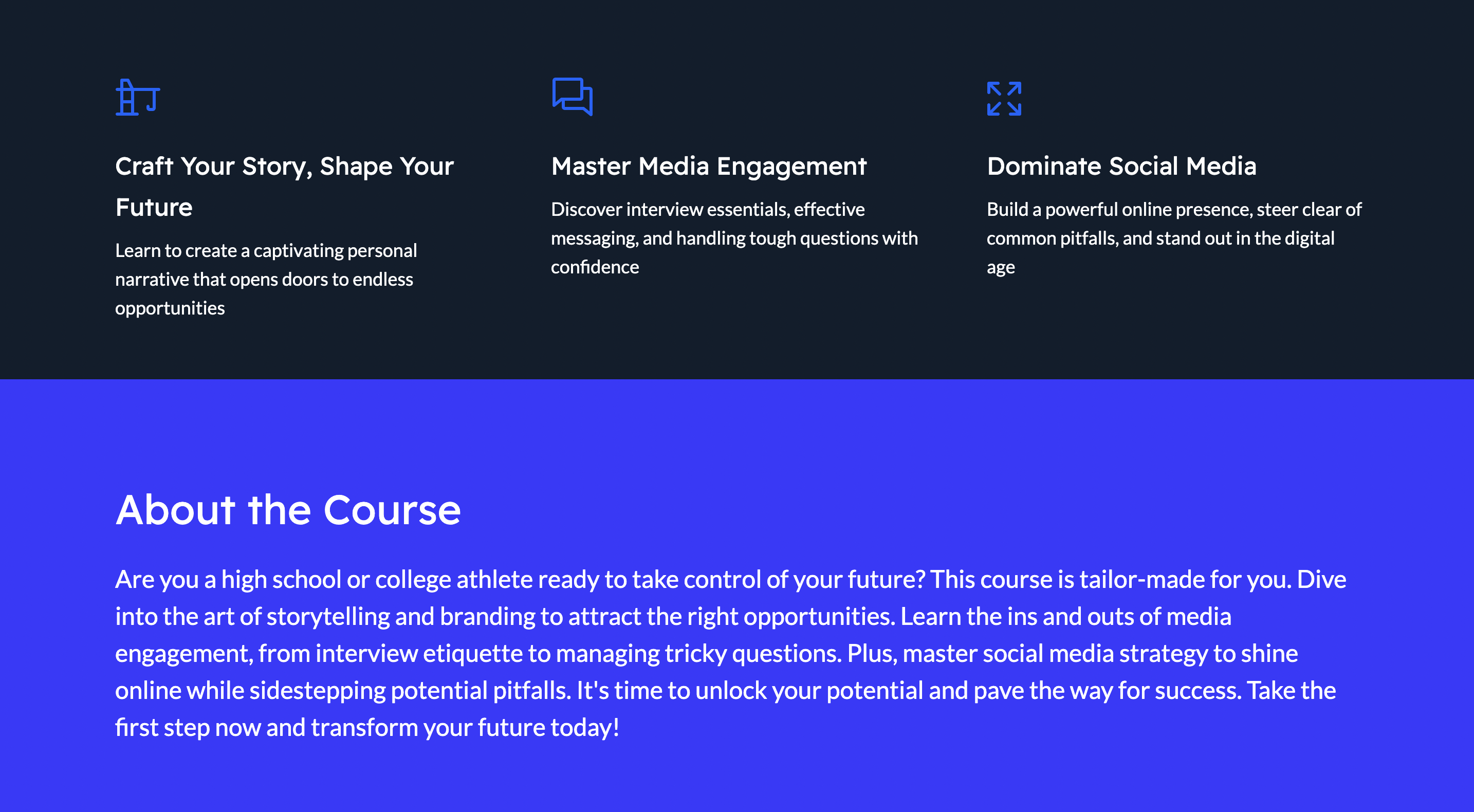
This relaunch marks the next step in The Gifted Collective’s mission to expand access to culturally responsive athlete education. Designed for athletes, parents, and schools, Fair Play offers both individual and institutional enrollment options, with additional training and consulting services available for athletic programs and teams.
“Talent opens doors,” Brown added. “Preparation keeps them open. Fair Play ensures that athletes not only shine in their sport but know how to leverage that spotlight into sustainable success.”
We spoke with the Founder, Andrea Brown about the importance of this relaunch and the importance of “Fair Play” below.
MISSION & ORIGIN STORY
How has your own journey in communications shaped the way you built Fair Play?
My communications career taught me that storytelling is one of the most powerful tools a person can have. I’ve spent years helping brands shape narratives, manage visibility, and build trust with their audiences. When I transitioned into athlete education, I saw how much these same skills could change a young athlete’s trajectory. Fair Play was built to translate everything I’ve learned — strategy, clarity, and confidence — into a system that athletes can use to navigate NIL and media in ways that protect them and open doors for their future.
What moment or experience sparked the creation of The Gifted Collective and your focus on athlete education?
The Gifted Collective was born out of my time as a high school teacher, coach and administrator in Houston. I worked with incredibly talented student-athletes who had the potential, discipline, and charisma to go far, but they didn’t always have the tools to advocate for themselves or understand how to show up in public spaces. I saw what happened when promising athletes didn’t have the right guidance. It stayed with me. I created The Gifted Collective to close that gap, to help athletes understand the power they already have, and to equip them with skills that last.
When did you first recognize the gap in NIL and media readiness for athletes, especially those from under-resourced communities?
I recognized the gap as soon as NIL became law. Athletes were suddenly expected to operate as their own brands, manage deals, and be public-facing — all without training. Families were confused. Schools were overwhelmed. And under-resourced communities had even less support and more risk. It became clear that NIL wasn’t just a business opportunity. It was an educational gap, and if no one filled it, our most vulnerable athletes would pay the price. Fair Play was created to give them the same level of preparation and protection as athletes at bigger, wealthier programs.
ADIDAS COMMUNITY LAB/ ENTREPRENEURSHIP
How did your experience in the adidas Community LAB accelerator influence the relaunch of Fair Play?
The accelerator helped me tighten my strategy and refine how I deliver value. It pushed me to think more boldly about scale, structure, and long-term impact. It also offered a community of entrepreneurs who were building with purpose, which fueled my confidence to position Fair Play as a real solution, not just a passion project.
What did you learn in the accelerator that directly shaped the updates or direction of the course?
I learned the importance of building with clarity and intention. Through mentorship and workshops, I gained tools to evolve Fair Play into a more structured learning experience and expand the curriculum to include deeper support around mental health, financial literacy, and long-term personal brand development.
How did being in a cohort designed for Black and Latino founders impact your approach or vision?
It was powerful to be surrounded by people who not only understood the mission, but also understood the communities we serve. It affirmed that culturally grounded work matters. It helped me lean into authenticity and reminded me that our lived experiences are assets that help us build stronger, more relevant solutions.
What did this experience teach you about being a Black woman entrepreneur in the sports business ecosystem?
It taught me that representation is essential — not just for athletes, but for the people building programs around them. It showed me that being a Black woman in this space is not a limitation. It is a perspective that drives empathy, creativity, and innovation. The experience reaffirmed that our voice is necessary in shaping the future of athlete development.
Would you like to continue partnering with adidas in the future and if so, in what ways?
Yes, absolutely. I would love to partner with adidas to integrate Fair Play into their NIL network, especially across HBCUs and community-focused programs. There are opportunities to co-create athlete education content, support brand campaigns, and offer ongoing media training that strengthens the work adidas already does in athlete storytelling.
Where do you see Fair Play in the next 5 years as a result of this accelerator experience?
I see Fair Play as a national resource for athlete readiness, integrated into high schools, athletic programs, HBCUs, and youth sports organizations across the country. I see thousands of athletes trained every year and strong partnerships with brands and universities. The accelerator gave me the structure and confidence to set those goals and pursue them.
What is your favorite adidas sneaker model or brand within the company?
I’m obsessed with the Anthony Edwards signature brand. The AE 1 is such a great shoe, and the storytelling around it made it even better. I’m looking forward to seeing similar brand rollouts for women athletes in the future. Daily – I’m probably wearing the Campus or OG Samba. Super versatile shoes!
THE SOLUTION
How do you see the NIL landscape evolving over the next 2–3 years, and how is Fair Play adapting for that future?
NIL is becoming more regulated, more competitive, and more media-driven. Athletes will need stronger digital presence, clearer personal narratives, and a deeper understanding of contracts and public visibility. Fair Play is adapting by building toward expanded modules in financial literacy, mental health, media interviews, and crisis response — the skills athletes will need no matter how the rules evolve.
Can you share a story of an athlete who was able to leverage NIL more confidently after your program?
One of my former students was shy about creating content and unsure how to talk about her journey as a HBCU basketball player. After applying the storytelling techniques from Fair Play, she found her voice, built a strong TikTok platform, 5x’d her followers in 3 months, and eventually secured partnerships that were aligned with who she is. Her story reminds me that NIL isn’t just about money. It’s about confidence and agency.
How do you help athletes balance personal branding with authenticity, mental health, and long-term purpose?
We start with identity. Before we talk about followers or deals, we focus on values, boundaries, goals and how those intertwine to tell their unique story. I teach athletes how to show up authentically while protecting their mental health and remembering that athletics is just one chapter of their story, not the whole book.
How is the NIL landscape different for women athletes compared to men, and what unique challenges do they face?
Women athletes often outperform men in engagement and influence, but they face higher scrutiny, limited resources, and more pressure around image. They also navigate stereotypes about what women in sports should look like or represent. Fair Play helps them embrace their power, trust their voice, and see their influence as something they can build a career around.
Women athletes often outperform in brand engagement, how do you help them leverage that power?
We focus on the why behind their audience. Women athletes tend to build strong communities, not just followings. I help them turn that connection into meaningful brand relationships, purpose-driven storytelling, and long-term partnerships.
What misconceptions do young women athletes have about NIL that Fair Play helps correct?
Many believe NIL success is tied to popularity or aesthetics. Fair Play teaches them that consistency, authenticity, and alignment matter far more. They learn that brands value relatable stories and clear identities, not perfection or comparison.
How does Fair Play support parents and guardians who may not fully understand NIL or media?
Parents need clarity just as much as athletes. Fair Play provides digestible explanations of NIL, outlines potential red flags, and gives families tools to support their athlete’s digital presence. Our goal is to help parents feel informed and confident guiding their child’s journey.
What makes Fair Play’s approach culturally responsive, and why is that critical for today’s athletes?
Fair Play is built with the lived experiences of the athletes it serves in mind. We acknowledge identity, representation, and cultural realities. This matters because athletes need education that speaks to their world, not generic guidance that ignores their reality.
What excites you most about the future of women in sports with tools like Fair Play now available?
Women athletes are already shaping culture. What excites me most is that with tools like Fair Play, they can turn that influence into leadership, entrepreneurship, and long-term opportunities. We’re entering a new era where women in sports can own their narratives, build meaningful brands, and change the industry from within.