
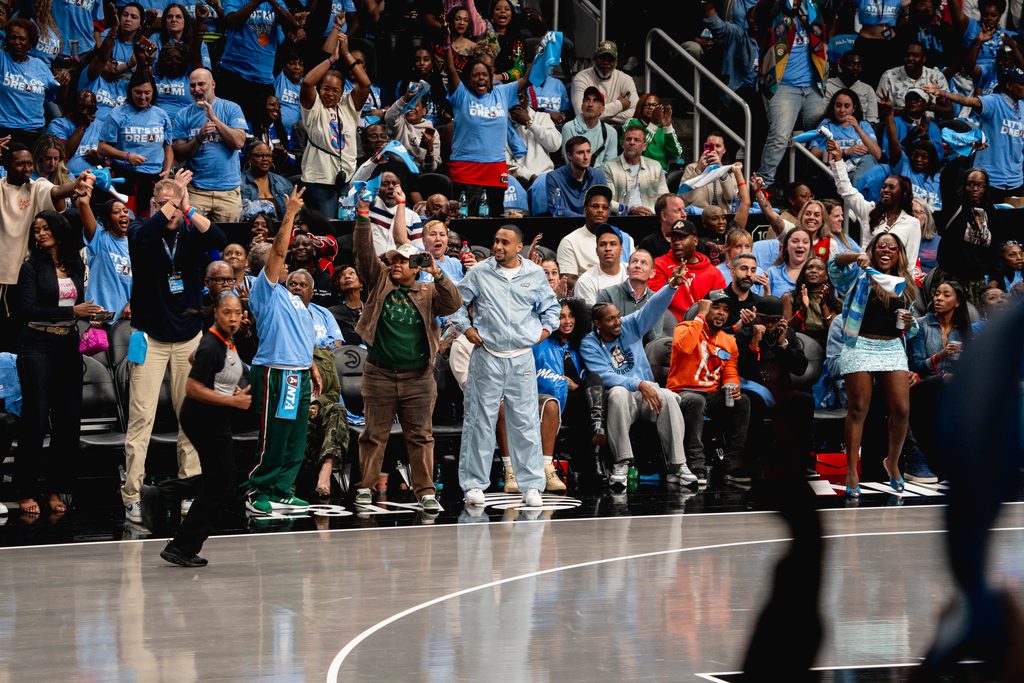
The Dream took a 2-1 Finals lead, but Game 3 was bigger than the score. It was a showcase of what happens when basketball, music, celebrity and the culture of a city all meet in one building.
The WNBA Finals came to Atlanta, and Atlanta made sure you knew exactly where you were.
Yes, the Dream handled business on the court, defeating the Golden State Valkyries 97-71 Wednesday night to take a 2-1 lead in the WNBA Finals.
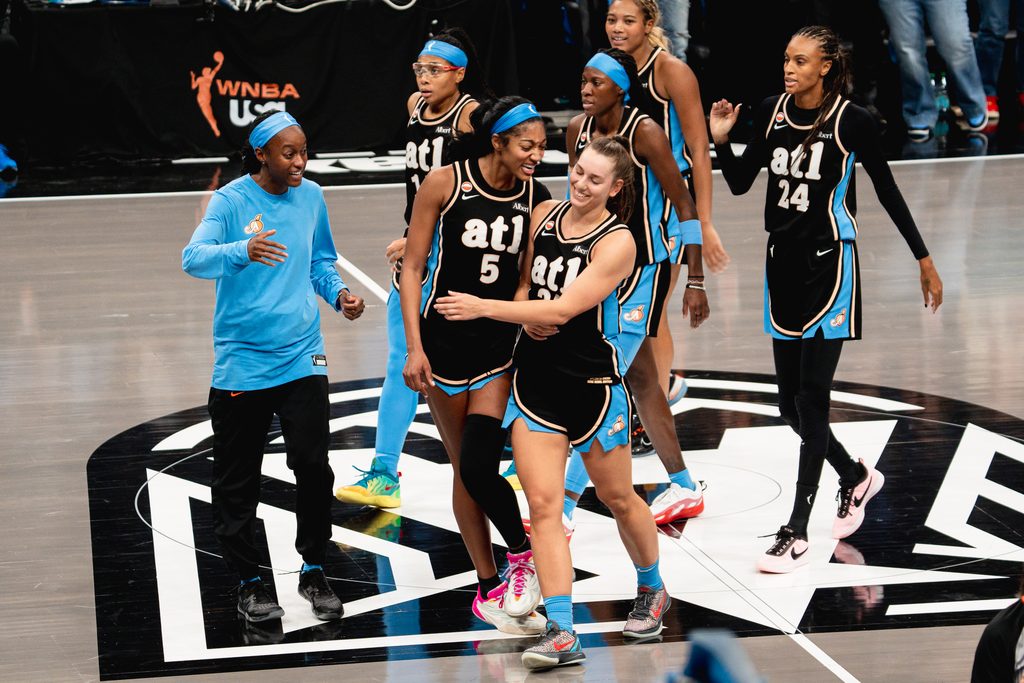
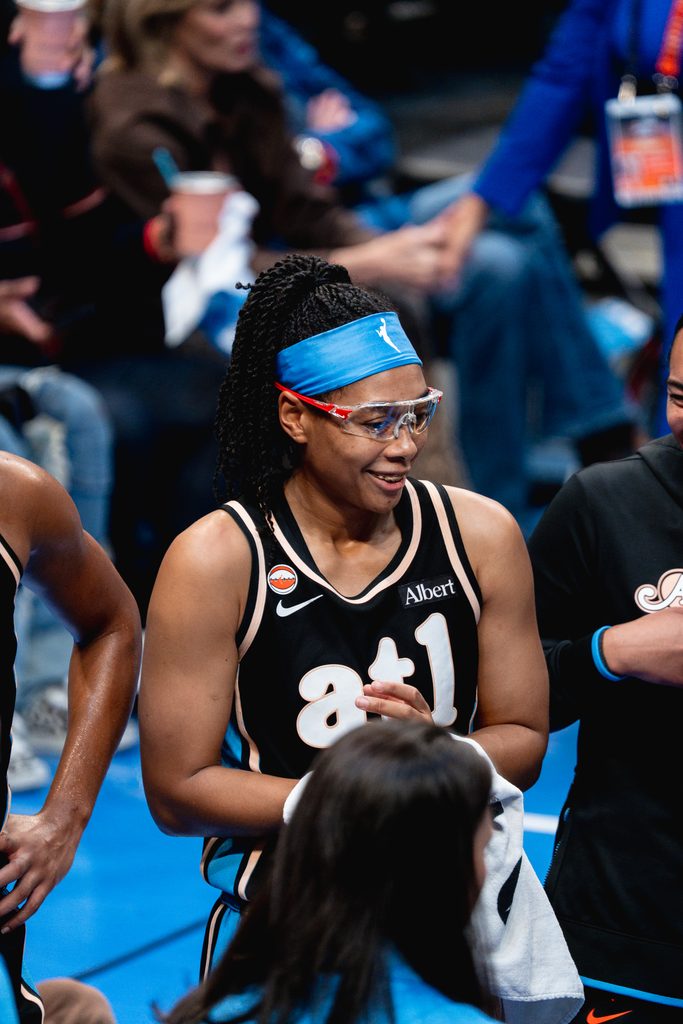
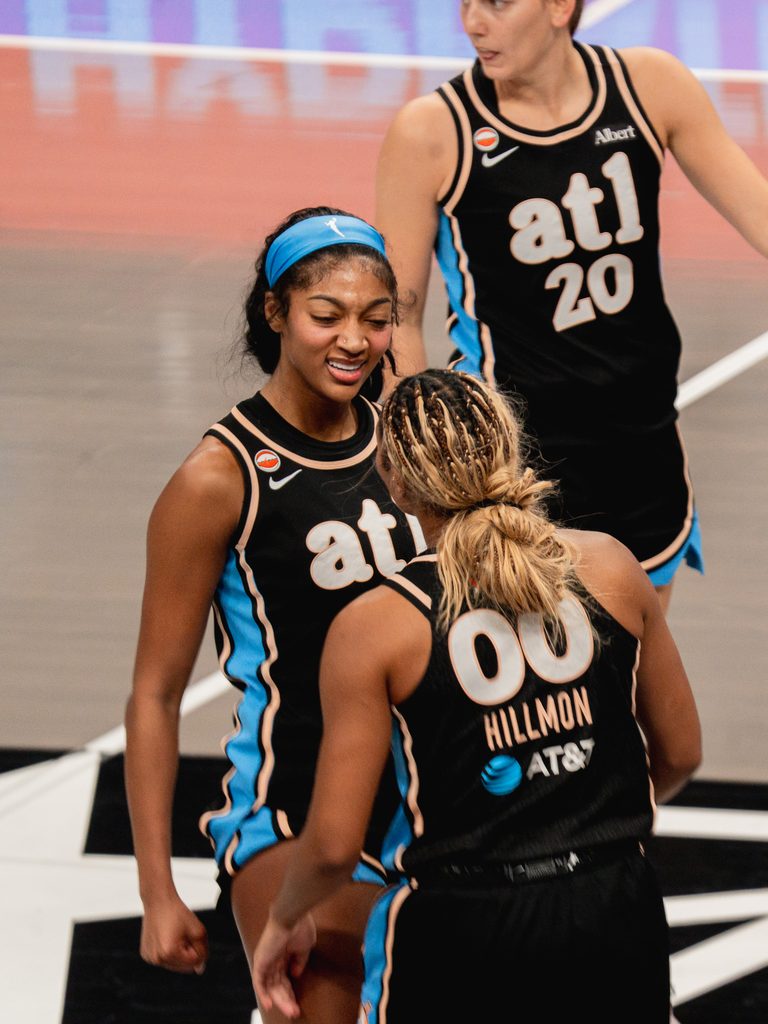
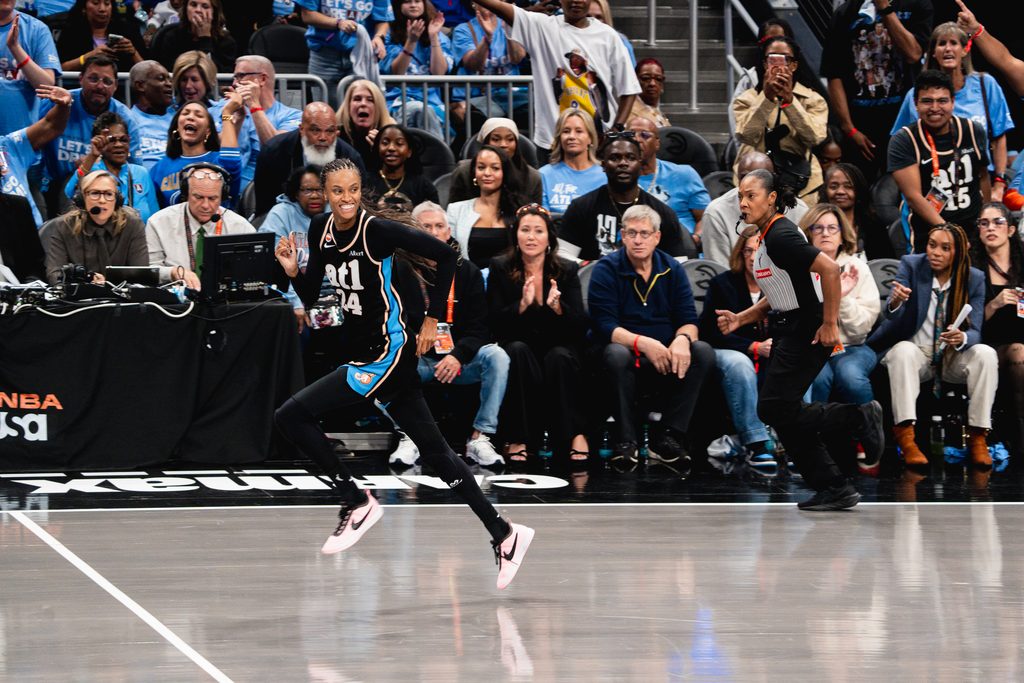
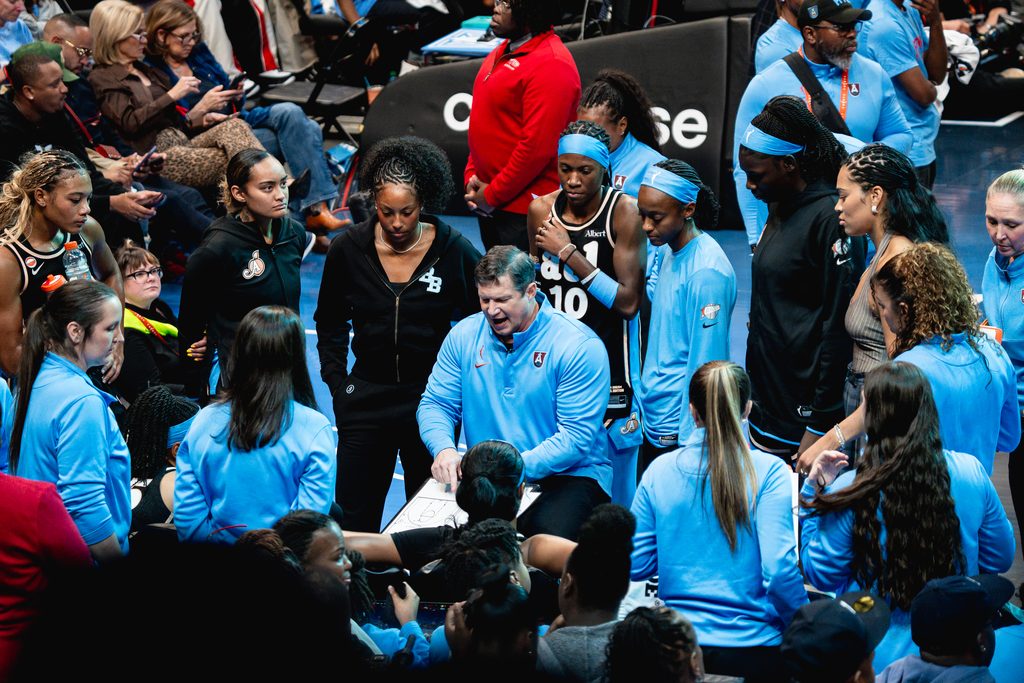
But Game 3 felt bigger than a win.
For the first time since 2013, Atlanta hosted a WNBA Finals game. With the matchup moved from the 3,500-seat Gateway Center Arena to State Farm Arena, more than 17,000 seats became available for a city that had been waiting for this moment.
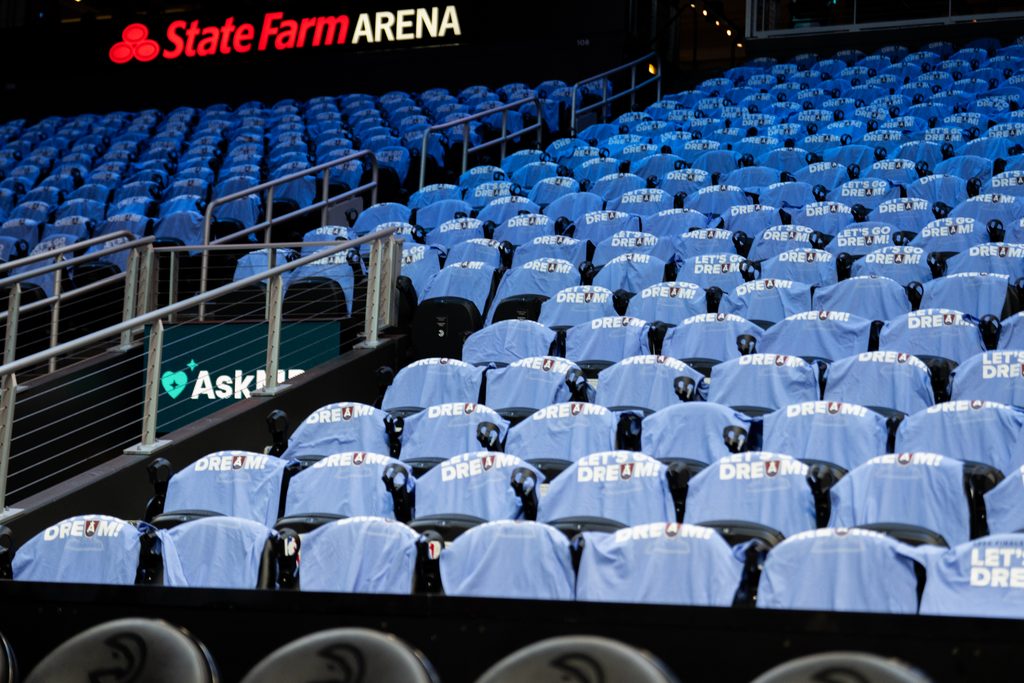
As it turned out, even that wasn’t enough to meet the demand.
The City Was Ready Before Tip-Off
Before a single basket was scored, Atlanta had already made a statement.
Approximately 42,000 people reportedly entered the presale queue for the Dream’s home Finals games at State Farm Arena.
Forty-two thousand people trying to get into a building that holds a little more than 17,000.
The demand was so intense that one longtime Dream supporter compared trying to secure a ticket to waiting for a Beyoncé concert.
Game 3 also reportedly carried a $201 get-in price on the secondary market ahead of the series, making it the most expensive WNBA Finals game on record at the time.
This wasn’t simply another basketball game coming to the A.
The Atlanta Dream had become one of the hottest tickets in the city.
That matters.
For years, the growth of women’s basketball has been measured through television ratings, attendance, merchandise sales and social engagement.
But tens of thousands of people sitting in a virtual line hoping for the chance to get inside the building tells another part of the story.
People didn’t just want to watch this moment.
They wanted to be part of it.
Atlanta Culture Was in the Building
By Wednesday night, State Farm Arena was sold out.
And from the moment fans walked through the doors, Game 3 felt distinctly Atlanta.
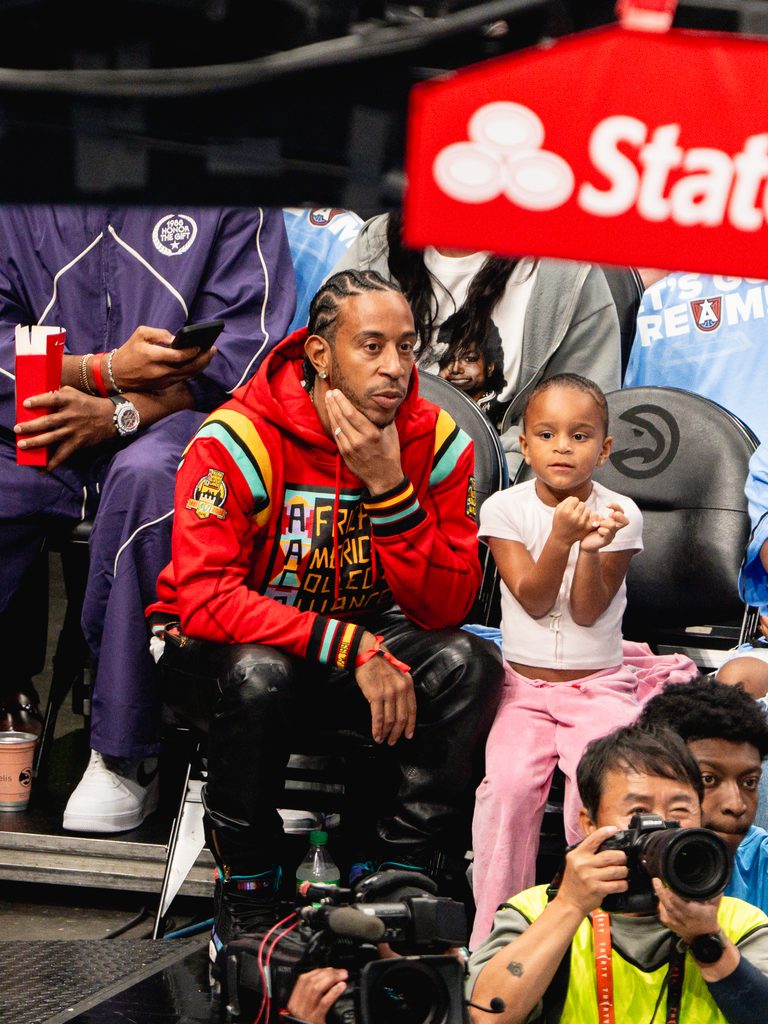
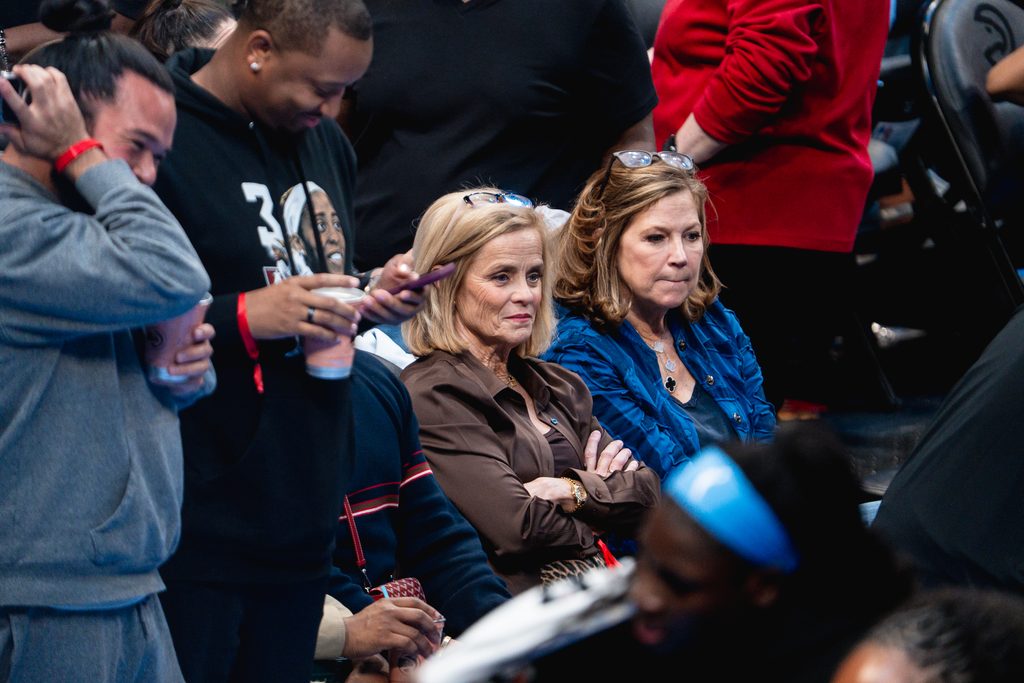
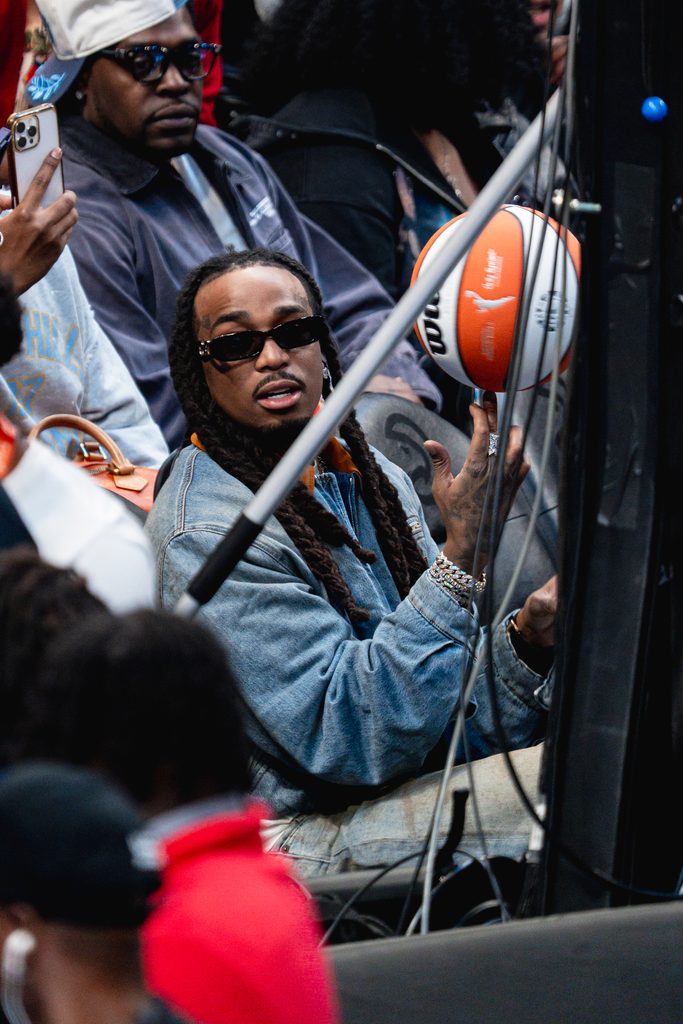
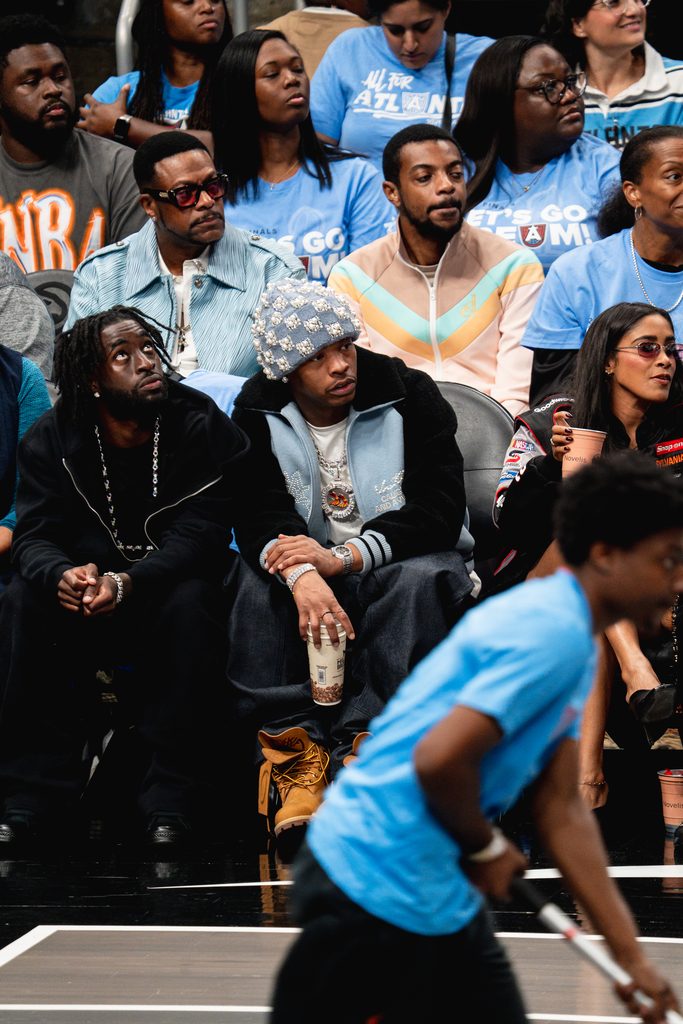
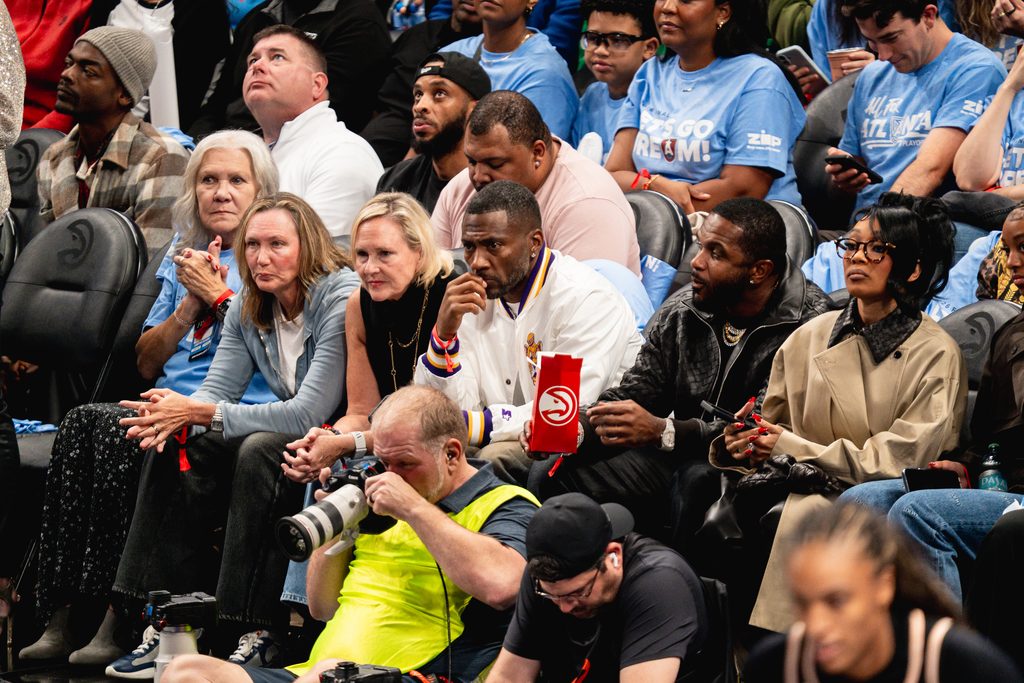
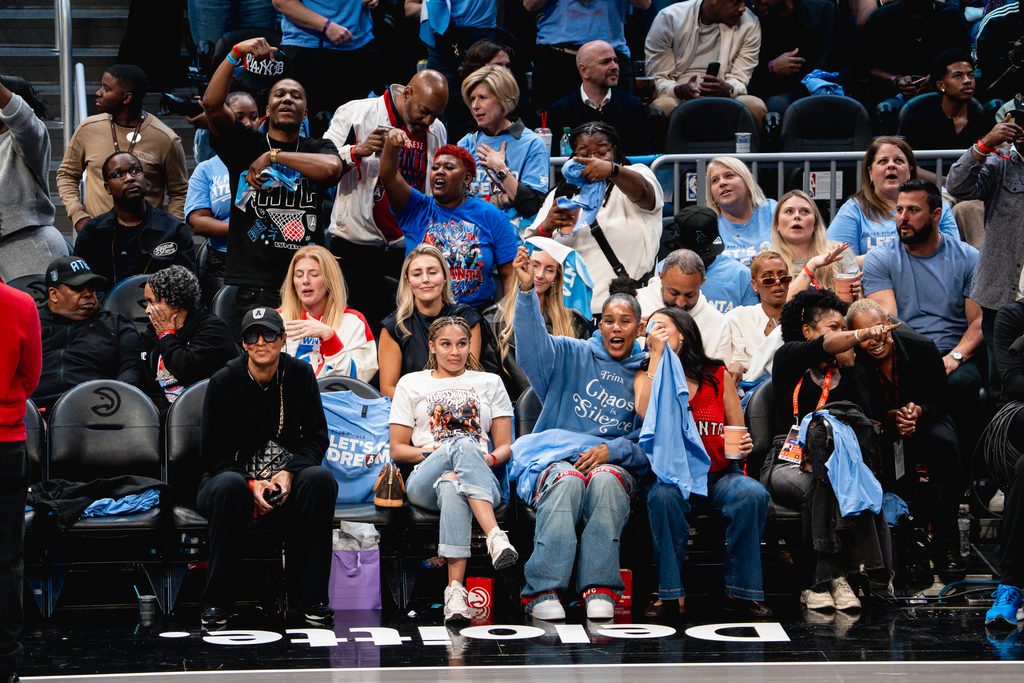
The crowd stretched beyond basketball, bringing together longtime Dream supporters, new fans, athletes, entertainers and some of the city’s most recognizable faces.
Ludacris sat courtside with his daughters. Kerry Washington, Cam Newton and LSU head coach Kim Mulkey were among the familiar faces spotted around the game.
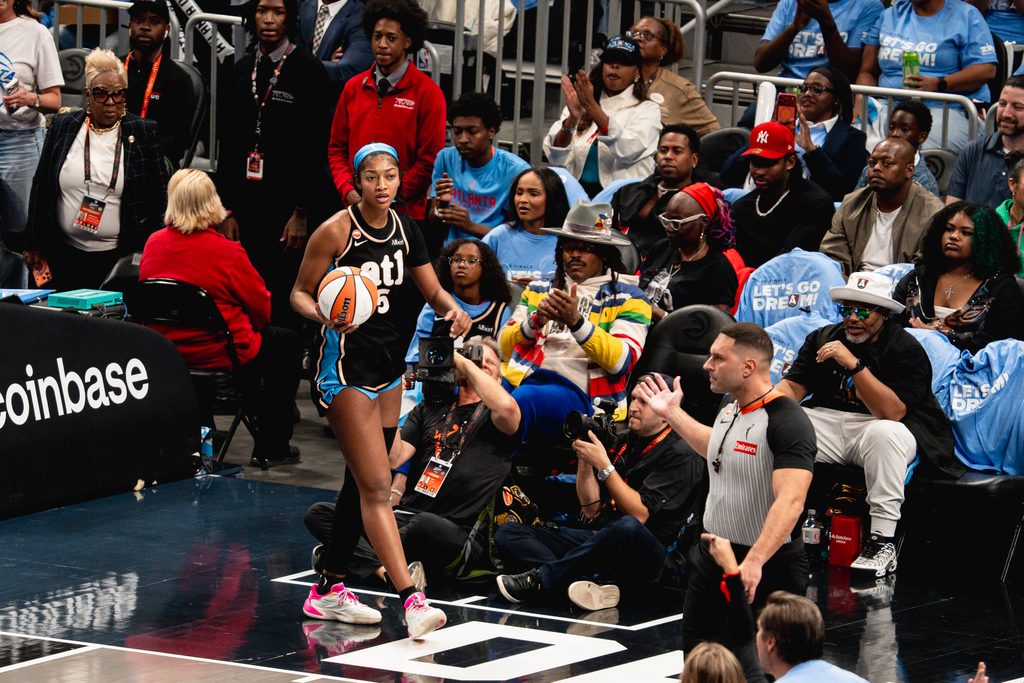
But celebrity sightings alone weren’t what made the night cultural.
It was the way Atlanta was woven throughout the entire experience.
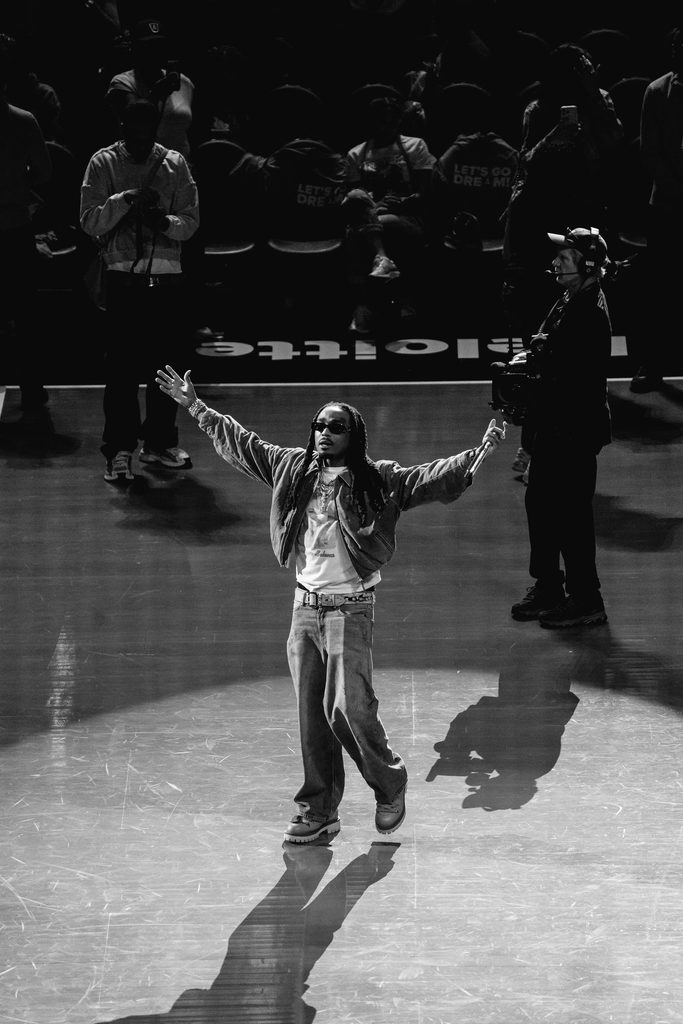
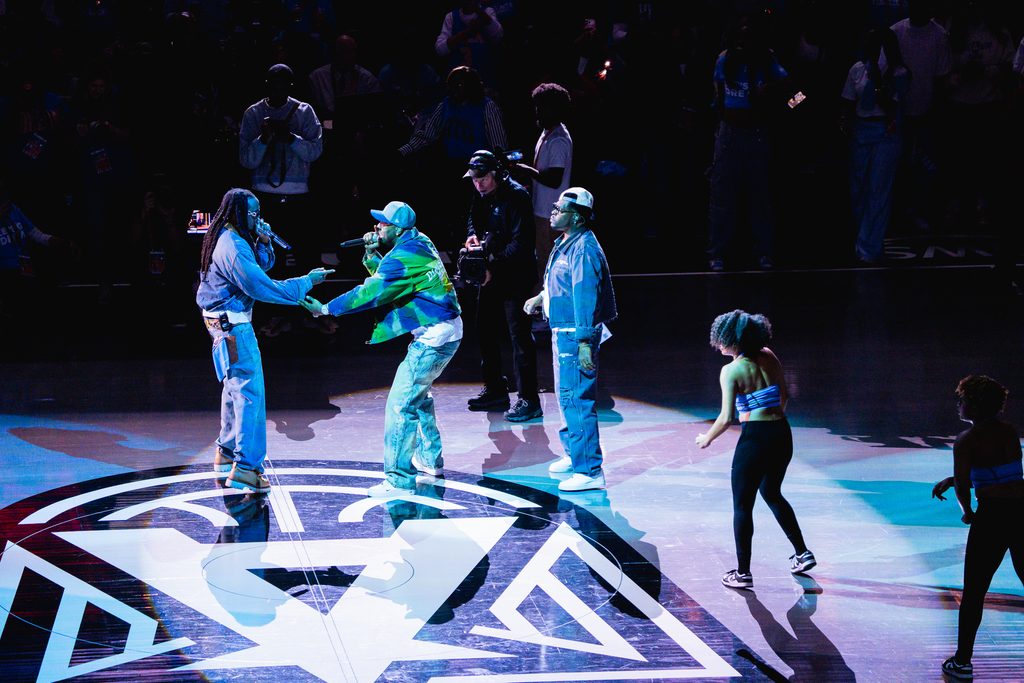
Q Parker of 112 opened the night with the national anthem. Skooly performed during a timeout. Then halftime became an Atlanta music celebration as Quavo took center court alongside T.I. and Dem Franchize Boyz.
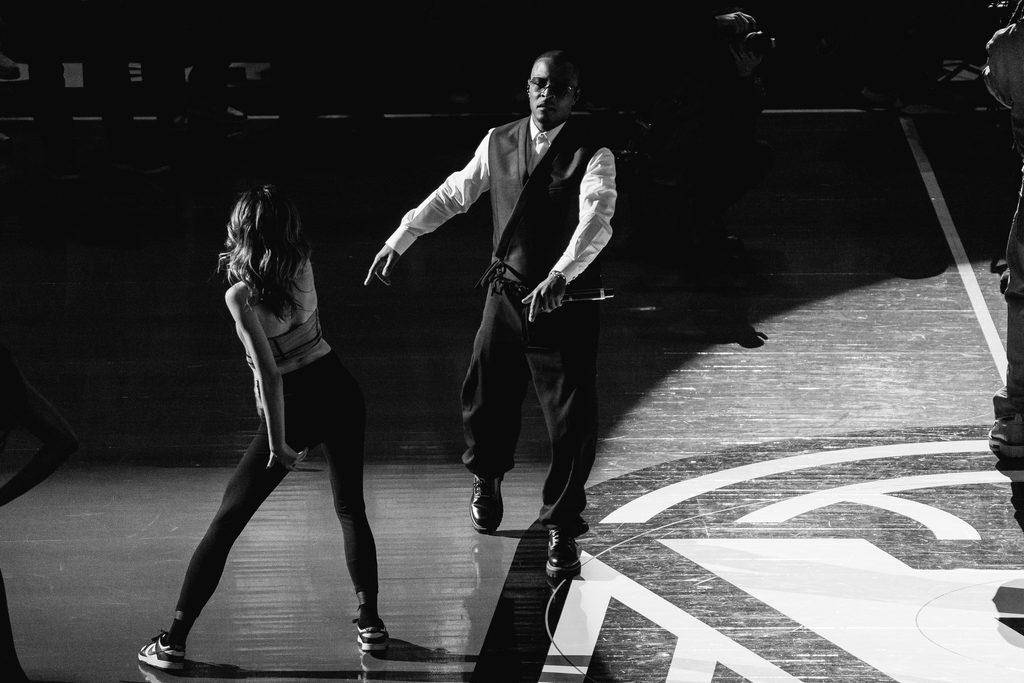
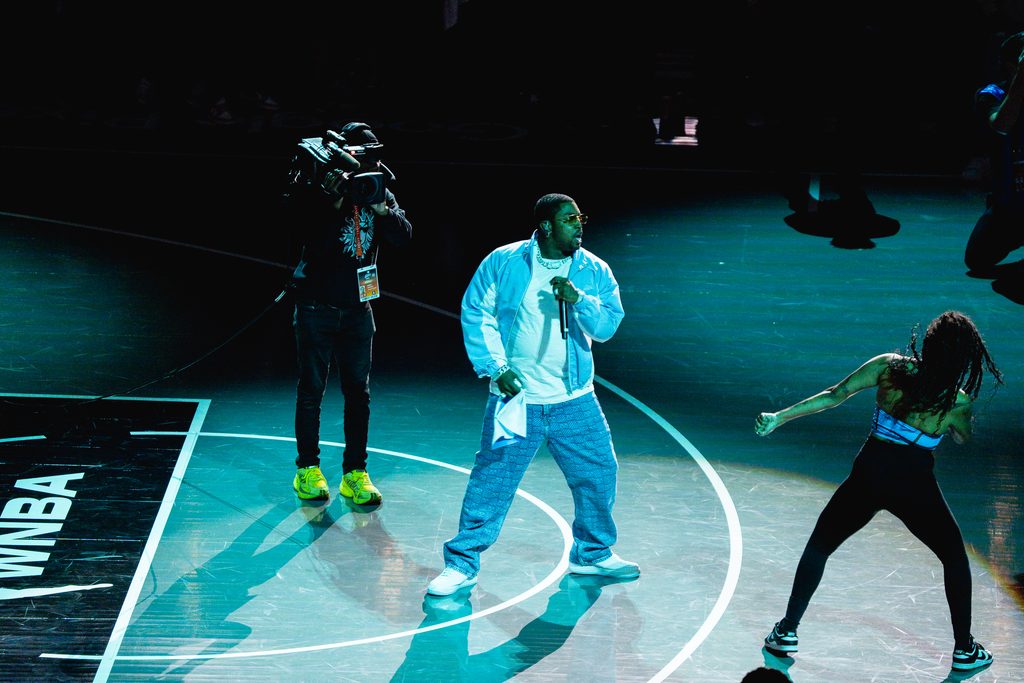
It wasn’t a generic championship production that happened to be taking place in Atlanta.
The city became part of the show.
The soundtrack mattered.
The people in the building mattered.
The packed arena mattered.
The fans mattered.
Atlanta culture wasn’t surrounding the basketball. Atlanta culture was part of the basketball.
And Then the Dream Put on a Show
With the city behind them, the Dream gave Atlanta plenty to celebrate.
Angel Reese continued a historic first WNBA Finals run, finishing Game 3 with 21 points and 12 rebounds after dropping 30 points and 16 rebounds in Atlanta’s Game 2 victory.
The performance made Reese the youngest player in league history to record three consecutive double-doubles in the Finals.
Rhyne Howard added 16 points and five steals, becoming the first player in WNBA history to record at least five steals in consecutive Finals games. Naz Hillmon added 15 points, while Jordin Canada finished with 10 points and eight assists.
It was another reminder that while Reese has become one of the defining stories of the series, Atlanta’s strength remains collective.
And in the second half, that collective took over.
Golden State erased Atlanta’s six-point halftime advantage and tied the game at 49 early in the third quarter.
Then the Dream flipped the switch.
Atlanta responded with an 8-0 run and eventually closed the quarter on a 12-2 surge, taking a 71-57 lead into the fourth.
By then, State Farm Arena was fully alive.
Every defensive stop felt bigger. Every basket brought the crowd further into the game. Every run moved Atlanta one step closer to something the franchise has never accomplished.
The Dream eventually pulled away for a 97-71 victory, holding Golden State to 34.8 percent shooting while forcing 17 turnovers and turning them into 22 points.
Atlanta didn’t just protect home court.
They gave the city a show.
This Is What Growth Looks Like
The story of Game 3 shouldn’t stop with the final score.
Because what happened in Atlanta is part of a much bigger story happening across women’s sports.
Growth isn’t only television ratings.
It isn’t only attendance records.
It isn’t only merchandise selling out.
It’s relevance.
It’s 42,000 people trying to get tickets.
It’s a sold-out NBA arena.
It’s Ludacris bringing his daughters courtside to watch women compete for a championship.
It’s Atlanta artists controlling the soundtrack.
It’s celebrities, longtime supporters and brand-new fans all wanting to occupy the same space.
It’s people asking what they’re wearing to the game.
It’s people wanting to know who’s performing at halftime.
It’s people wanting to say, “I was there.”
That’s ultimately what made Game 3 special.
The WNBA Finals weren’t simply happening in Atlanta.
They felt like Atlanta.
The city showed up in the stands.
It showed up courtside.
It showed up through the speakers.
It showed up at halftime.
And most importantly, it showed up for the women on the floor.
After spending the opening two games of the series inside Golden State’s raucous home environment, Atlanta finally had an opportunity to answer with one of its own.
“Our fans showed up in every single possession,” Reese said following the win.
They did.
And Atlanta gave that energy right back.
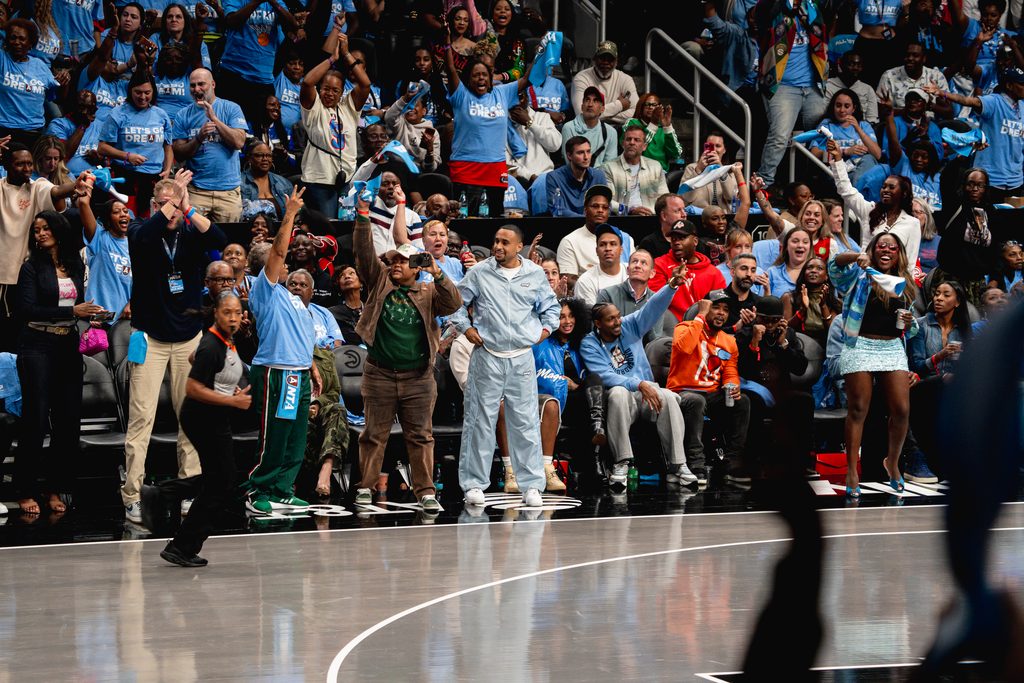
images by: Jineen Williams / Ball is Life